
A vehicle problem rarely happens at a convenient time. You might be heading to work on the Parkway, driving through a Pittsburgh neighborhood, or returning home late at night when your car suddenly refuses to start. A flat tire, dead battery, locked door, or mechanical problem can quickly turn an ordinary trip into a stressful situation.
That is where roadside assistance near Pittsburgh, PA can make a practical difference. Instead of trying to solve a problem in an unsafe location or waiting until regular business hours, drivers can contact a roadside service for help with common vehicle emergencies.
What Does Roadside Assistance Include?
Roadside assistance is designed to deal with problems that prevent a vehicle from continuing safely. The exact services vary between providers, but most roadside companies handle several common emergencies.
The goal is not always to tow the vehicle. In many situations, a simple roadside repair can get the driver moving again without requiring a trip to an auto repair shop.
Jump Starts for Dead Batteries
A dead battery is one of the most common reasons drivers request roadside assistance. Leaving lights on, extremely cold weather, an aging battery, or an electrical problem can all leave a vehicle unable to start.
A roadside technician can provide a jump start and help determine whether the immediate problem appears to be a discharged battery. If the vehicle starts but repeatedly loses power, however, it may need further inspection rather than simply another jump.
This distinction matters. A jump start can get you moving, but it does not repair a failing battery or charging system.
Flat Tire Assistance
Pittsburgh-area drivers encounter potholes, road debris, uneven surfaces, and changing weather conditions that can contribute to tire problems. A puncture can happen anywhere, including a busy roadway where pulling over safely is difficult.
Roadside assistance can help replace a damaged tire with the vehicle’s spare when one is available and usable. If there is no spare, the spare is damaged, or the vehicle cannot be safely moved, towing may be the better option.
Drivers should avoid standing close to moving traffic while attempting a tire change. If the location is dangerous, getting professional roadside help is often the safer choice.
Vehicle Lockout Assistance
Locking your keys inside the vehicle is frustrating, especially when it happens in a parking lot, driveway, or unfamiliar area.
Roadside professionals can provide vehicle lockout assistance using appropriate tools and techniques intended to reduce the risk of damage. Drivers should avoid forcing windows, using improvised tools, or attempting methods that could damage weather seals or the locking mechanism.
If the vehicle uses a smart key or electronic entry system, the situation may require a different approach than a traditional mechanical lockout.
Fuel Delivery When You Run Out of Gas
Running out of fuel is another roadside emergency that can leave a driver stranded. It can happen after an inaccurate fuel gauge reading, an unexpected detour, heavy traffic, or simply misjudging the remaining range.
Depending on the provider, roadside assistance may include delivery of enough fuel to allow the driver to reach a nearby gas station.
If you run out of fuel on a highway or heavily traveled road, move the vehicle as far away from traffic as safely possible and turn on the hazard lights.
Winch-Out and Vehicle Recovery
Not every breakdown happens on pavement. A vehicle can become stuck in mud, snow, soft ground, or a ditch, particularly during poor weather.
A winch-out or recovery service may be able to reposition the vehicle when it has become stuck but is otherwise recoverable. The equipment and technique required depend on the vehicle’s weight, position, ground conditions, and surrounding hazards.
Trying to pull a stuck vehicle with an unsuitable rope, chain, or another vehicle can cause additional damage. Professional recovery equipment is designed for situations where controlled pulling is necessary.
When Roadside Assistance Becomes Towing
Sometimes a roadside technician cannot safely solve the problem where the vehicle stopped.
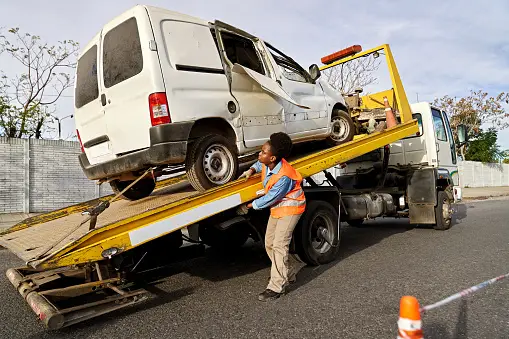
A serious mechanical failure, collision damage, overheating issue, damaged wheel, or vehicle that will not restart may require towing to a repair facility. In these situations, roadside assistance and towing work together rather than being competing services.
A useful rule is simple: if the vehicle cannot be made safe and roadworthy at the location, towing may be the next step.
Pittsburgh Weather Can Change the Situation
Weather is an important consideration for roadside emergencies in Pittsburgh. Winter temperatures can put additional strain on vehicle batteries, while snow and ice can make roads and shoulders more hazardous.
Heavy rain can also reduce visibility and increase the risk around a disabled vehicle. During severe weather, the safest option may be to remain inside the vehicle with the doors locked while waiting for assistance, provided the vehicle is positioned safely away from traffic.
Drivers should also keep an emergency kit, flashlight, phone charger, basic first-aid supplies, and appropriate seasonal equipment in the vehicle.
What Information Should You Give Roadside Assistance?
When calling for help, provide more than just your general location. Tell the roadside provider the vehicle’s make, model, and approximate condition.
Explain whether you have a flat tire, dead battery, lockout, empty fuel tank, or another problem. If possible, provide the street name, nearby intersection, highway direction, exit number, or recognizable landmark.
Accurate information helps the provider understand what equipment may be needed before arriving.
Choosing Roadside Assistance Near Pittsburgh, PA
When comparing roadside assistance providers, look beyond whether they advertise 24/7 availability. Consider the range of services offered, response coverage, experience with different vehicle types, communication practices, and whether additional towing is available when a roadside repair is not possible.
A reliable provider should also explain what service is being dispatched and whether there are additional charges before work begins whenever practical.
Being prepared is easier than dealing with an emergency without a plan. Save a roadside assistance number in your phone, keep your vehicle maintained, and know where your emergency equipment is stored.
A roadside problem can still be stressful, but knowing what assistance is available makes it much easier to make a safe decision when your vehicle unexpectedly leaves you stranded.
FAQs
What is roadside assistance?
Roadside assistance provides help when a vehicle cannot continue because of a common problem such as a dead battery, flat tire, lockout, empty fuel tank, or vehicle recovery situation.
Is roadside assistance available 24/7 in Pittsburgh?
Many roadside assistance providers offer 24/7 emergency service, including nights, weekends, and holidays. Drivers should confirm availability and coverage with the provider before requesting service.
Can roadside assistance fix a flat tire?
A roadside technician may be able to replace a flat tire with the vehicle’s usable spare. If no suitable spare is available or the vehicle cannot be safely repaired roadside, towing may be necessary.
Can roadside assistance jump-start a car?
Yes. Jump-start service is commonly available for vehicles with discharged batteries. However, a jump start does not repair a defective battery or an underlying electrical problem.